Get Free Consultation!
Types
Non-Hodgkin lymphoma (NHL) is classified in two main ways:
Based on the types of white blood cells affected:
- B-Cell Lymphoma: The most common type, originating from B lymphocytes
- T-Cell Lymphoma: Less common, arising from T lymphocytes
NHL types based on the progression:
- Indolent Lymphoma: Slow-growing, may not show symptoms for years
- Aggressive Lymphoma: Fast-growing, requires immediate treatment
Stages
NHL is staged from I to IV, depending on how far the cancer has spread:
- Stage I: Involvement of a single lymph node region or a single organ
- Stage II: Two or more lymph node regions on the same side of the diaphragm
- Stage III: Lymph nodes on both sides of the diaphragm are affected
- Stage IV: Cancer has spread to one or more organs outside the lymphatic system
What are the Symptoms of Non-Hodgkin Lymphoma?
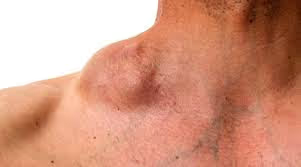
The most common symptom is the painless swelling of superficial lymph nodes (one or more) in the neck, armpit, and groin. Some of the other common symptoms you may experience are:
- Persistent fatigue or weakness
- Unexplained fever
- Night sweats (often drenching)
- Unintentional weight loss
- Loss of appetite
- Itchy skin (pruritus)
- Shortness of breath or chest pain
- Persistent cough
- Abdominal pain or swelling
- Feeling full after eating only a small amount (due to an enlarged spleen)
- Frequent infections
- Easy bruising or bleeding
“B symptoms”
“B symptoms” are a specific group of systemic symptoms that can indicate a more aggressive or advanced form of lymphoma. These include:
- Unexplained fever (above 38°C or 100.4°F)
- Drenching night sweats
- Unintentional weight loss of more than 10% of body weight over 6 months
The occurrence of symptoms varies depending on the type and stages of the cancer. These symptoms may also mimic some other less serious conditions, such as infections, allergies, and gastrointestinal issues. Thus, if the symptoms remain persistent, it’s advisable to consult with your healthcare provider as early as possible.
What are the Causes of Non-Hodgkin Lymphoma?
Non-Hodgkin lymphoma occurs when there is an excess of lymphocytes, either B cells, T cells, or rarely natural killer cells. This occurs due to mutations in the genes, which may be present from birth or may develop during a person's lifetime. However, it may be triggered by the following risk factors as well.
- Weakened immune system (e.g., from HIV/AIDS, organ transplant, or autoimmune disorders)
- Certain infections (e.g., Epstein-Barr virus, Helicobacter pylori, Hepatitis C)
- Age (most common in people over 60)
- Exposure to certain chemicals (e.g., pesticides, herbicides)
- Previous cancer treatments (such as chemotherapy or radiation)
- Family history of lymphoma or other blood cancers
Diagnosis
If you’re experiencing persistent symptoms of NHL, it is advisable to consult a healthcare provider. First, your healthcare provider will conduct a physical examination to determine if there are swollen lymph nodes in different parts of the body. If NHL is suspected, your doctor may recommend the following tests:
- Blood tests – To assess overall health and detect abnormal blood counts
- Imaging tests – Such as CT scan, PET scan, or MRI, to locate enlarged nodes or organs
- Lymph node biopsy – A sample is taken to confirm the presence of lymphoma cells
- Bone marrow biopsy – To check if the disease has spread to the bone marrow
These tests help determine the type and stage of lymphoma, guiding the development of the most effective treatment plan.
What are the Treatments for Non-Hodgkin Lymphoma?
The following are the treatments available for non-Hodgkin lymphoma.
- Chemotherapy: One of the most commonly used treatments, where strong medicines are used to kill cancerous cells. It may be given as injections, pills, or applied to the skin (for certain skin lymphomas).
Also Read:- Chemotherapy in IndiaChemotherapy in India
- Radiation Therapy: High-energy beams are directed at specific areas to kill cancer cells, especially when the disease is localized.
- Immunotherapy: Helps the body’s immune system recognize and attack lymphoma cells, often using monoclonal antibodies like Rituximab.
Also Read:- Immunotherapy in IndiaImmunotherapy in India
- Targeted Therapy: A newer approach that blocks specific molecules involved in cancer cell growth, offering a more precise and less damaging alternative to chemotherapy.
- Stem Cell (Bone Marrow) Transplant: In more advanced or relapsed cases, this may be recommended. It involves replacing damaged bone marrow with healthy stem cells after high-dose chemotherapy.
- CAR T-Cell Therapy: In this treatment, a patient’s T-cells are modified to better recognize and destroy lymphoma cells. This is usually reserved for aggressive or treatment-resistant forms of NHL.
Also Read:- CAR T-Cell Therapy in IndiaCAR T-Cell Therapy in India
Recovery
The recovery period for non-Hodgkin lymphoma varies depending on the type, stage, and treatment approach. Many patients respond well to therapy, especially when diagnosed early. With timely treatment and supportive care, long-term remission is possible, and many individuals can return to their normal routines. Regular follow-ups and a healthy lifestyle can aid in a smoother recovery process.
What are the Side Effects of Treatment?
The side effects of treatments vary depending on the treatment taken. While some people may experience mild symptoms, others may have more noticeable effects. The most common side effects you may experience include:
- Fatigue or weakness
- Nausea and vomiting
- Hair loss
- Loss of appetite
- Increased risk of infections
- Low blood cell counts
- Mouth sores
- Skin rashes or dryness
- Diarrhea or constipation
- Numbness or tingling in hands and feet (neuropathy)
Let your healthcare provider know if you experience any side effects while undergoing treatment. Most side effects are manageable, and your doctor may also alter your treatment plan to reduce the discomfort.
What is the Survival Rate of Non-Hodgkin Lymphoma?
The overall 5-year survival rate for non-Hodgkin lymphoma is approximately 74%. This means that 74 out of 100 people diagnosed with NHL are likely to live at least five years after their diagnosis.
However, survival rates can vary depending on several factors, including the type of lymphoma, stage at diagnosis, patient’s age, overall health, and how well the cancer responds to treatment. Some slow-growing (indolent) types of NHL may have a better outlook, while more aggressive forms might have lower survival rates but can still respond well to early and intensive treatment.
Prevention
Unfortunately, non-Hodgkin lymphoma can’t be prevented, but it can be managed. By following the activities, you can improve your quality of life and make living with it more manageable.
Eat balanced, nutritious meals to support recovery.
- Eat nutritious meals and stay hydrated to maintain strength
- Get enough rest and manage stress with support or counseling
- Exercise gently and follow your treatment plan closely
- Avoid smoking, limit alcohol, and maintain good hygiene
- Monitor symptoms and reach out to your care team when needed
What Questions Should I Ask My Healthcare Provider?
Below are the questions that you can ask your healthcare provider to understand your condition:
- What type of non-Hodgkin lymphoma do I have?
- What stage is my lymphoma currently at?
- Which organs or parts of my body are affected or at risk?
- What treatment options do you recommend, and why?
- What are the potential side effects of the recommended treatment?
- Can my non-Hodgkin lymphoma be completely cured?
- What is the risk of the lymphoma coming back after treatment?
- What lifestyle changes or precautions should I follow during and after treatment?
- Are there any support services or resources available for patients like me?
Key Takeaways
Non-Hodgkin lymphoma, a blood cancer, is often difficult to detect in its early stages. While several treatments are available, research continues to explore more effective cures. Treatment can lead to remission, though recurrence is possible.
If not diagnosed or treated on time, the condition may progress and become more serious. That’s why regular checkups and closely following your doctor’s treatment plan are crucial.
Stay informed, stay proactive, and prioritize your health

